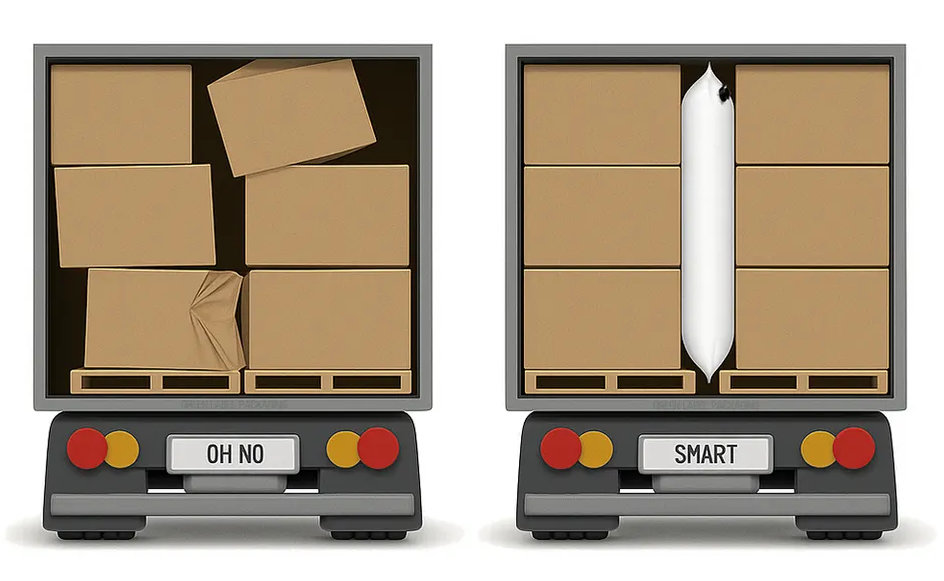
Two delivery trucks compare load packing: one haphazardly stacked, one neatly arranged with a dunnage airbag between boxes

Shift Happens.

Prepare for the road ahead.

dunnage airbag logo

A Simple Way to Protect Your Freight

Help Prevent Load Shift
Moisture Resistant
Fast Inflation & Deflation
Reusable & Reliable
Lower Cost
Recyclable
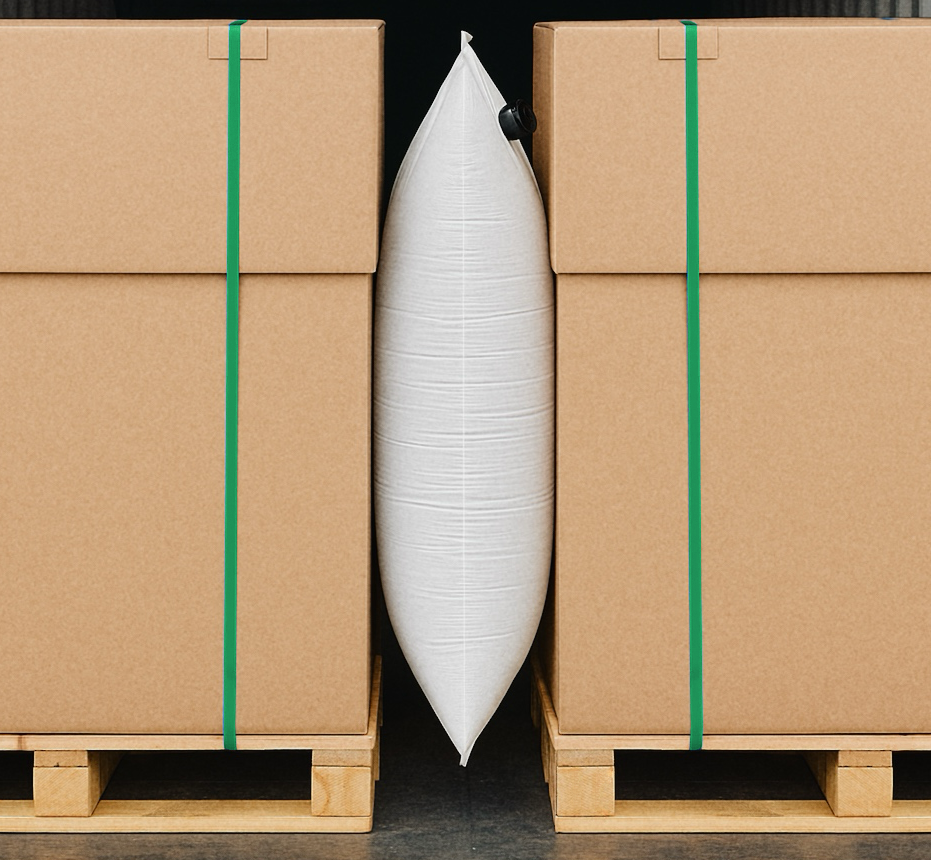
Airbag between two boxes

How Dunnage Air Bags Work

Dunnage air bags fill the empty space between loads, helping to prevent cargo from shifting during transit. By creating a tight, stable fit, they protect your products and reduce the risk of damage.

They're easy to use, effective, and a smart solution for a wide range of shipping applications.

Choose the Right Dunnage Air Bag

Different loads require different levels of strength.

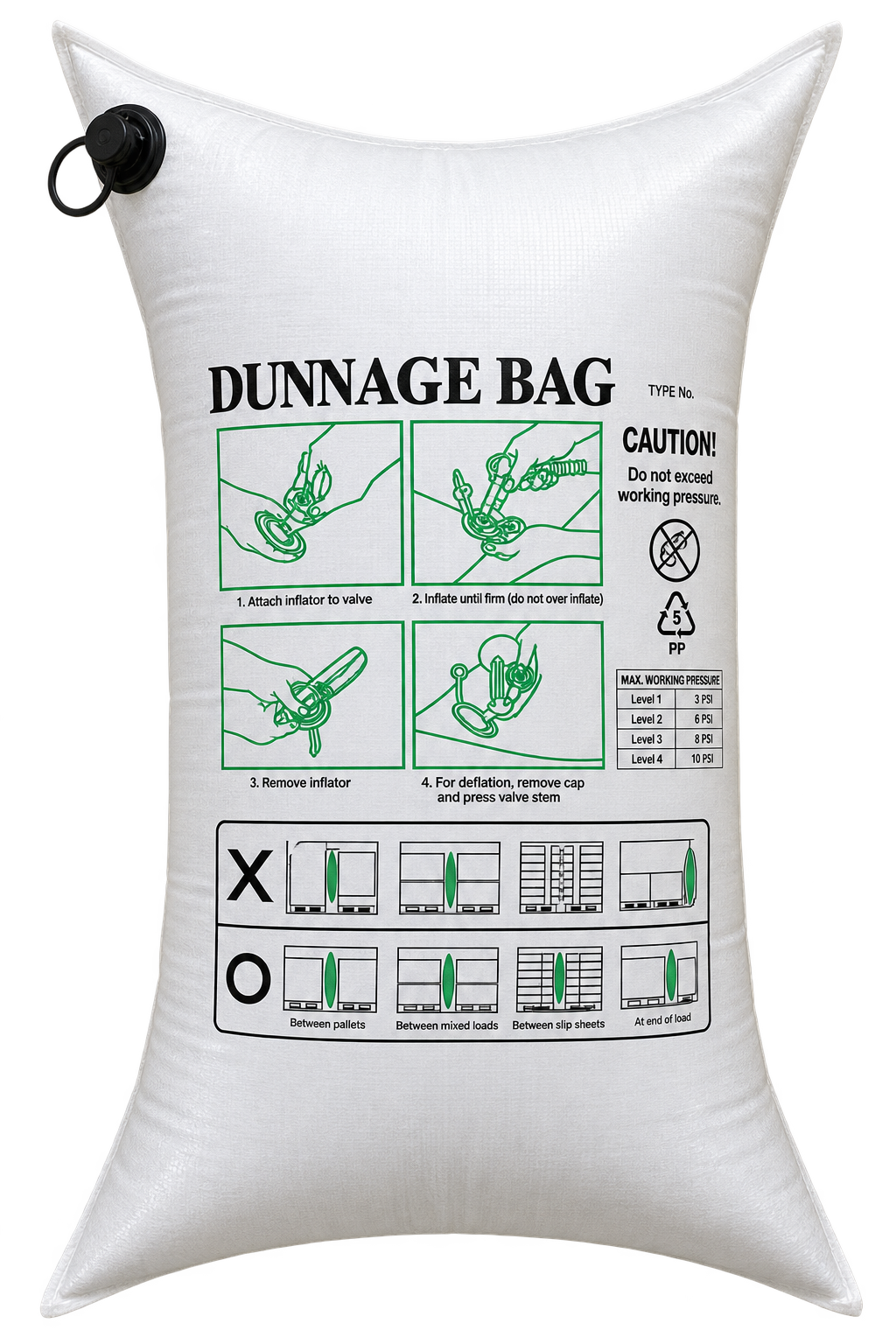
The right dunnage air bag depends on the weight of the load, the size of the void, and how the shipment will travel. From standard truck and container loads to heavier intermodal, rail, and ocean applications, we offer multiple levels and sizes to match the job.


Inflatable load bracing
Level 1

Standard Duty / Truck & container

Level 2

Increased Strength / Truck, container & intermodal

Level 3

Heavy Duty / Rail, intermodal & ocean

Level 4

High Strength / Heavy rail & ocean

VARIOUS LEVELS & SIZES

Available to match specific load requirements

How to Install Dunnage Air Bags

Before You Begin

Find the void

​After loading your freight, identify the gap that needs to be secured. A center void of 12 inches or less is ideal. This allows the inflated dunnage air bag to push the freight outward and stabilize the load.

Check the area

​Remove or cover anything sharp that could puncture the bag. Add a buffer sheet if needed.

For help selecting the correct size or level, our logistics specialists are available to assist.

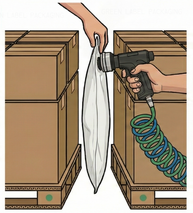
1

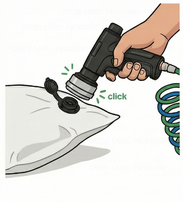
Attach Inflator

Illustration of inflator attaching to an airbag

Lift the valve cap and verify the valve is closed. (Twist the center of valve if necessary to close)
Snap the inflator nozzle onto the valve until it locks securely.

2

Position the Bag

Placement of an airbag between two boxes illustration

Place the bag in the center of the void.

Keep it off the floor, and make sure it does not extend above the top or beyond the sides of the freight.

The face of the bag should cover as much cargo surface area as possible.

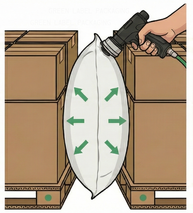
3

Inflate

Inflating an airbag between two stacks of boxes

Press the trigger to begin inflating.

While partially inflated, adjust the bag so it stays centered, remains off the floor, does not extend above the top of the freight, and makes full contact with both sides.

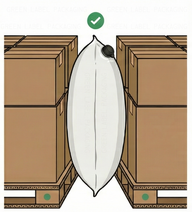
4

Finish

Illustration completed airbag installation

Inflate to the manufacturer’s recommended pressure.

When fully inflated:

• Lift the flange on the nozzle to disconnect

• Close the valve cap

Why Buy From

GreenLabel Packaging

Expert help choosing the right bag
Product availability
Airbag inflation tool
Inflators and accessories
Installation guidance
Sales and support

Looking for Dunnage Air Bags?

Get a quote or help selecting the right size and level for your shipment.

* Dunnage air bags are sourced internationally and are not manufactured in the United States. “Made in the USA” applies to Ecodek corrugated pallets.