

Wood is the standard.
It isn’t always the best fit.
Compare the differences between wood and corrugated pallets and see which makes the most sense for your application.
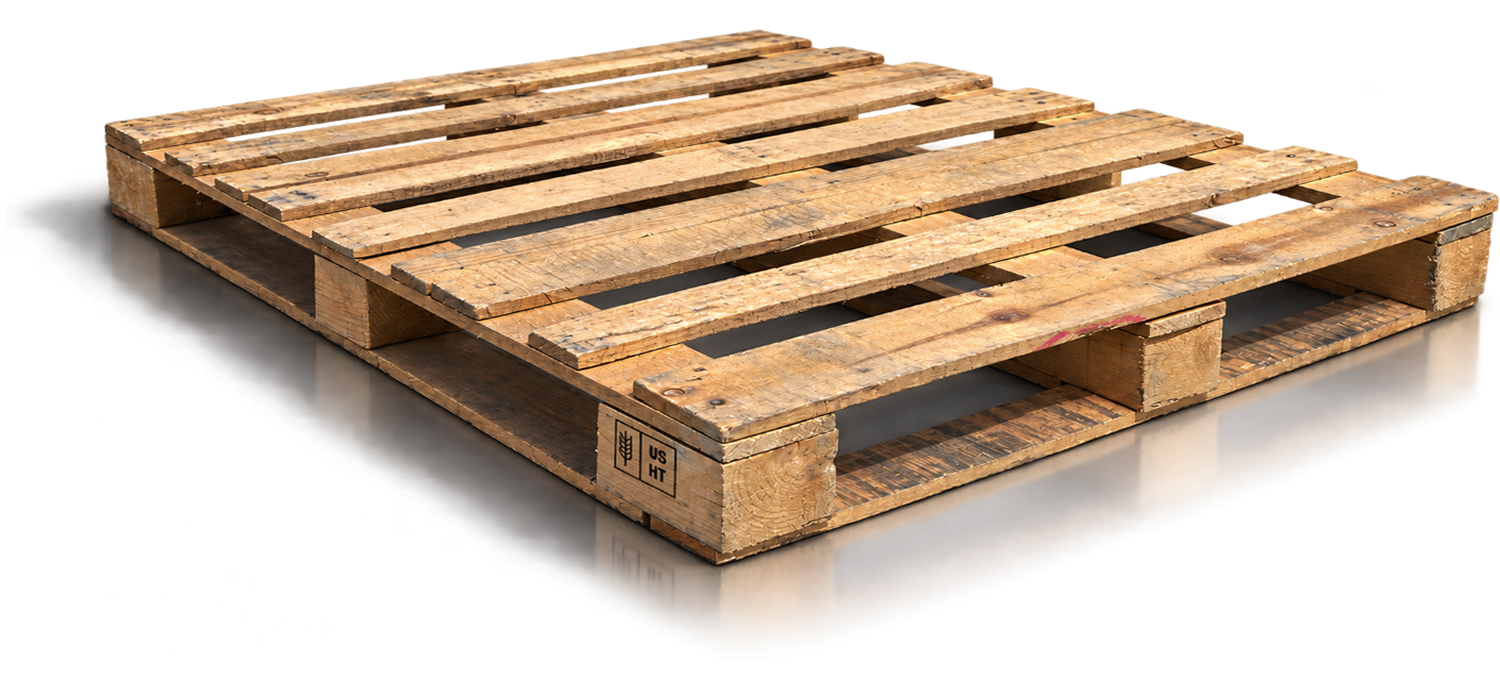
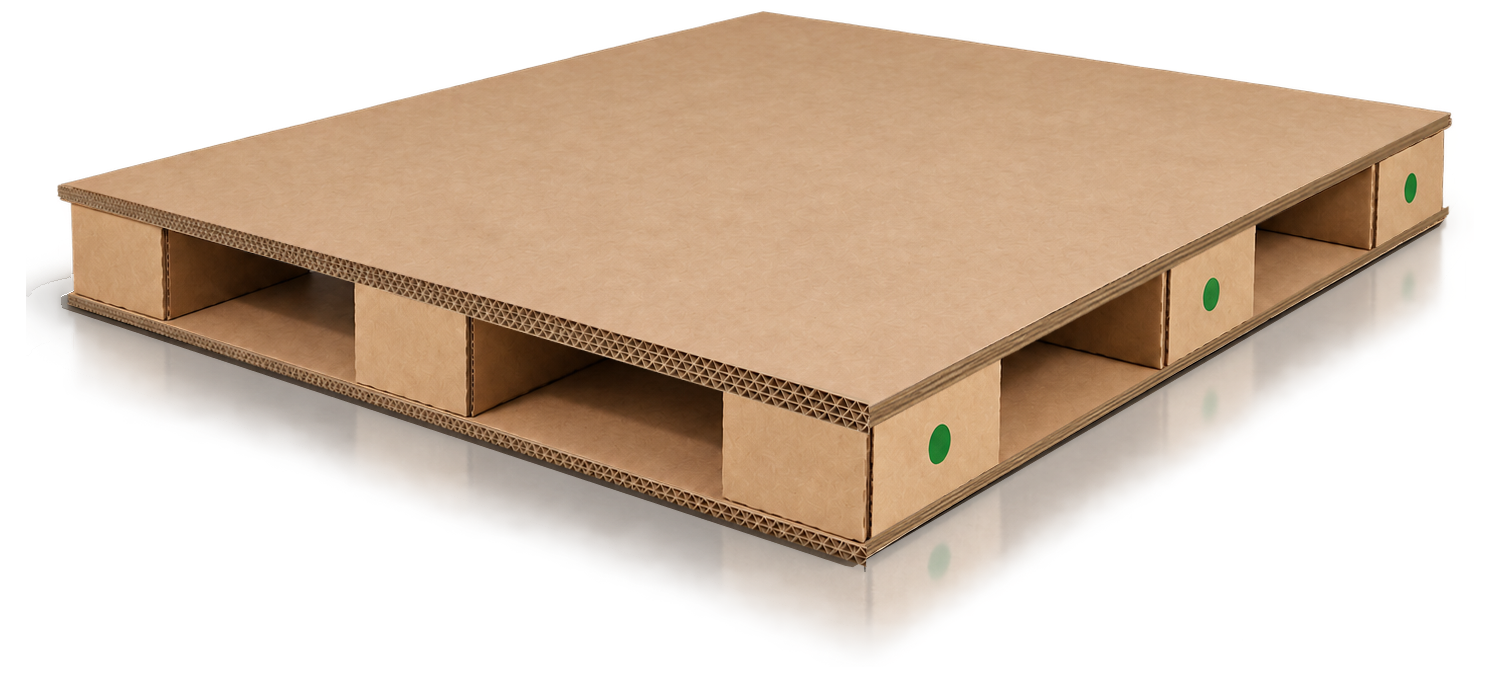
WHY COMPARE?
Wood works.
That isn't the question.
Wood pallets became the standard for good reasons. They are familiar, widely available, durable and well suited to many demanding applications.
But standard does not mean ideal for every load. Pallet weight, cleanliness, product fit, export requirements, handling and end-of-life disposal all affect the shipping system too. When an application does not require everything a wood pallet provides, some of those traditional advantages can become unnecessary costs or complications.
That is where corrugated pallets deserve a closer look.
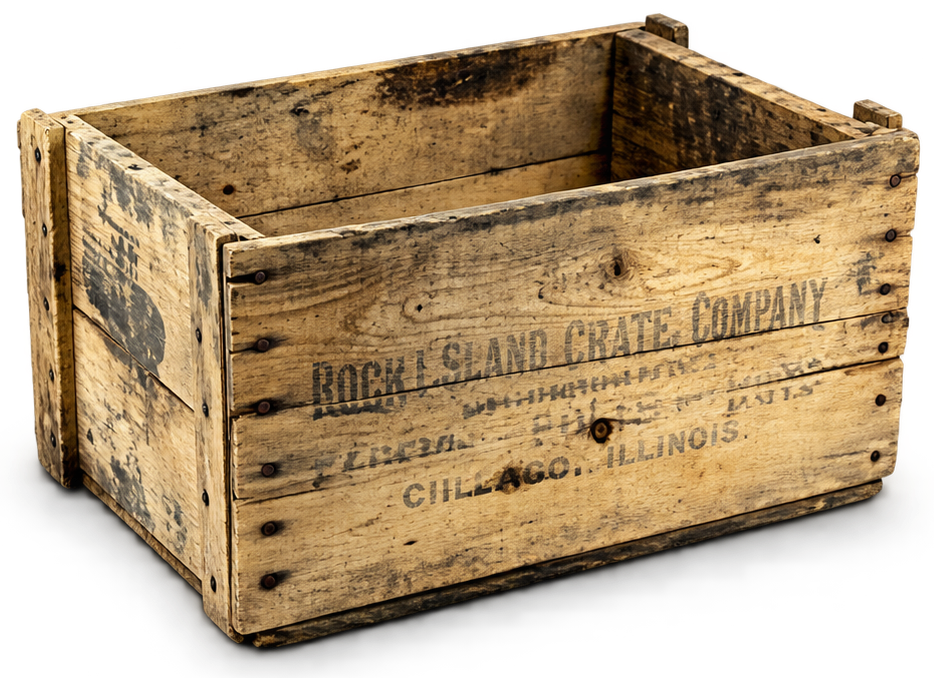
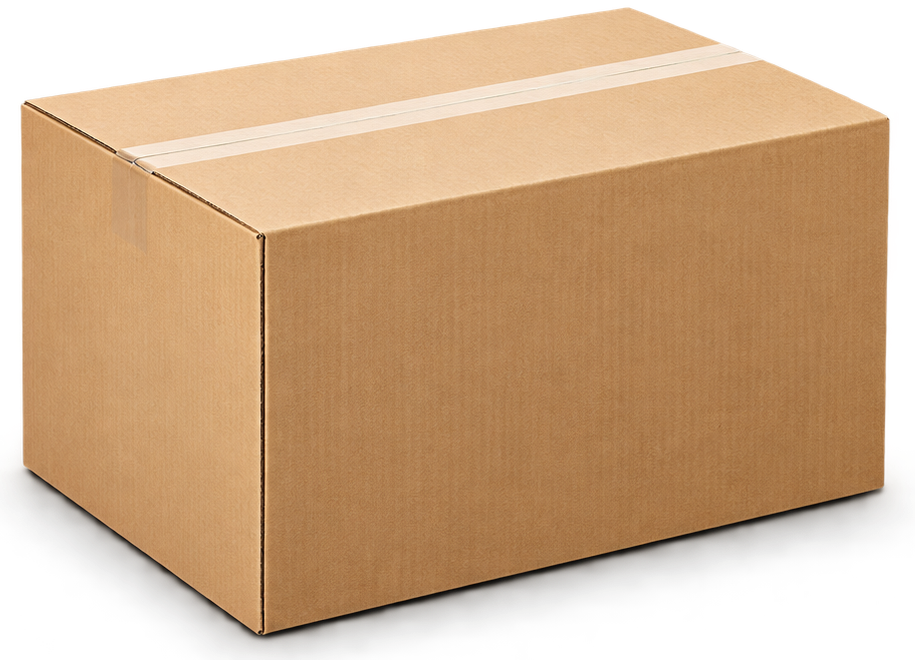
Packaging has evolved.
Corrugated packaging became the everyday choice for countless products because it could perform the job without all the weight and complexity of a wooden container.
The point was never that wood stopped working. The package simply did not need everything wood brought with it.
Now the same transition is happening under the boxes.
Corrugated pallets are already being used successfully across industrial and consumer-product shipping applications. For companies that have always purchased wood pallets, the better question is whether your application still needs wood.
Wood vs. corrugated, at a glance.
Neither material wins every category. The better pallet depends on what the load and shipping environment actually require.
Pallet weight
Wood Pallets
Heavier construction adds significant tare weight to the shipment.
Ecodek Corrugated Pallets
Much lower pallet weight reduces material being handled and shipped with every load.
Cleanliness
Wood Pallets
Boards can splinter, break or shed wood debris. Nails and fasteners are part of the construction.
Ecodek Corrugated Pallets
Clean paper-based construction with no nails, exposed fasteners or wood splinters.
Sizing
Wood Pallets
Standard footprints are widely available and often the most economical way to buy wood.
Ecodek Corrugated Pallets
Designed around the product, load and handling requirements rather than being limited to a standard pallet footprint.
Export shipping
Wood Pallets
Raw wood packaging used internationally may require ISPM-15 treatment and marking.
Ecodek Corrugated Pallets
Corrugated pallets are paper-based and do not require ISPM-15 treatment or marking.
Recycling
Wood Pallets
Reuse and pallet recovery can be valuable, but disposal typically requires a wood or pallet recycling stream.
Ecodek Corrugated Pallets
Standard Ecodek pallets can be recycled with corrugated cardboard.
Repeated reuse
Wood Pallets
Well suited to many closed-loop systems where the same pallet will make repeated trips.
Ecodek Corrugated Pallets
Particularly attractive for one-way shipping and applications where long-term pallet reuse is not required.
Moisture & outdoor exposure
Wood Pallets
Better suited to prolonged outdoor use and environments where significant water exposure is expected.
Ecodek Corrugated Pallets
Best used in controlled shipping and storage environments rather than prolonged outdoor or wet conditions.
Unsupported storage
Wood Pallets
Wood may be better suited to some open-rack and unsupported-span applications.
Ecodek Corrugated Pallets
Pallet design and support conditions must be evaluated for the specific application.
| Wood Pallets | Ecodek Corrugated Pallets | |
|---|---|---|
| Pallet weight | Heavier construction adds significant tare weight to the shipment. | Much lower pallet weight reduces material being handled and shipped with every load. |
| Cleanliness | Boards can splinter, break or shed wood debris. Nails and fasteners are part of the construction. | Clean paper-based construction with no nails, exposed fasteners or wood splinters. |
| Sizing | Standard footprints are widely available and often the most economical way to buy wood. | Designed around the product, load and handling requirements rather than being limited to a standard pallet footprint. |
| Export shipping | Raw wood packaging used internationally may require ISPM-15 treatment and marking. | Corrugated pallets are paper-based and do not require ISPM-15 treatment or marking. |
| Recycling | Reuse and pallet recovery can be valuable, but disposal typically requires a wood or pallet recycling stream. | Standard Ecodek pallets can be recycled with corrugated cardboard. |
| Repeated reuse | Well suited to many closed-loop systems where the same pallet will make repeated trips. | Particularly attractive for one-way shipping and applications where long-term pallet reuse is not required. |
| Moisture & outdoor exposure | Better suited to prolonged outdoor use and environments where significant water exposure is expected. | Best used in controlled shipping and storage environments rather than prolonged outdoor or wet conditions. |
| Unsupported storage | Wood may be better suited to some open-rack and unsupported-span applications. | Pallet design and support conditions must be evaluated for the specific application. |
These are general material differences. Actual performance depends on pallet design, load distribution, handling equipment and the shipping environment.
Some disadvantages become invisible when you deal with them every day.
Wood is so familiar that many companies no longer think of certain issues as pallet problems. They are simply accepted as part of shipping.
You move weight that does not belong to the product.
Every pound of pallet becomes part of the unit load. That weight is handled by employees and equipment, transported with every shipment and, when unit loads are stacked, becomes part of the load carried by the packaging below. A lower-weight pallet reduces that burden throughout the shipping system.
You may need extra help just to move the pallet.
Manual-handling requirements can turn a heavy wood pallet into a two-person or equipment-assisted task. A much lighter corrugated pallet can often be positioned by one person, helping keep production moving. That can reduce interruptions, extra handling personnel, or the need to wait for powered equipment.
You live with nails, splinters and wood debris.
Broken boards, exposed fasteners, splinters and wood debris are often treated as unavoidable parts of pallet handling. Ecodek pallets use clean paper-based construction with no nails or wood splinters around products, employees or equipment.
You deal with rules created for the pallet.
For international shipments, raw wood packaging may require ISPM-15 treatment, marking and related handling simply because the pallet is made from wood. Corrugated pallets are paper-based and remove those wood-specific requirements from the pallet.
STANDARD 48" X 40"
WOOD Pallet
16
boxes per pallet
30
pallets per truckload
480
boxes per truckload
48" x 34.5"
CORRUGATED Pallet
16
boxes per pallet
36
pallets per truckload
576
boxes per truckload
+96 boxes per truckload
20% more boxes
Illustrative example based on a standard 53-ft dry van trailer. Actual results depend on product dimensions, load configuration and trailer requirements.
The pallet does not have to dictate the footprint.
The 48 × 40 wood pallet is popular for a reason. It is widely available, familiar and economical because the entire pallet supply chain is built around that standard size.
But your product was not necessarily designed around a 48 × 40 pallet.
Even when a load appears to fit well, a few unused inches can become meaningful when that same footprint is repeated across an entire truckload.
Same box. Better truck utilization.
Right-size the pallet to the load and make every inch count.
Carton size: 17" × 24" × 20"
Designed around your product. Not the other way around.
There is no single standard Ecodek pallet size. Each pallet is designed around the product, packaging, load pattern and handling requirements of the application.
Sometimes that results in a familiar standard footprint. Other times, a few inches in one direction can make substantially better use of the available space.
With wood, departing from common pallet sizes can change the economics considerably. Custom wood pallets can cost significantly more, and nonstandard sizes may also have less value in conventional pallet recovery and reuse channels.
The product inside the box may not have the same flexibility. If the carton dimensions are driven by the product, changing the pallet can be the more practical way to improve the unit load.
The goal is not customization for the sake of customization. It is to use the pallet your application actually needs.
Learn how custom sizing and design work.
See where Ecodek fits.
See what drives pallet pricing.
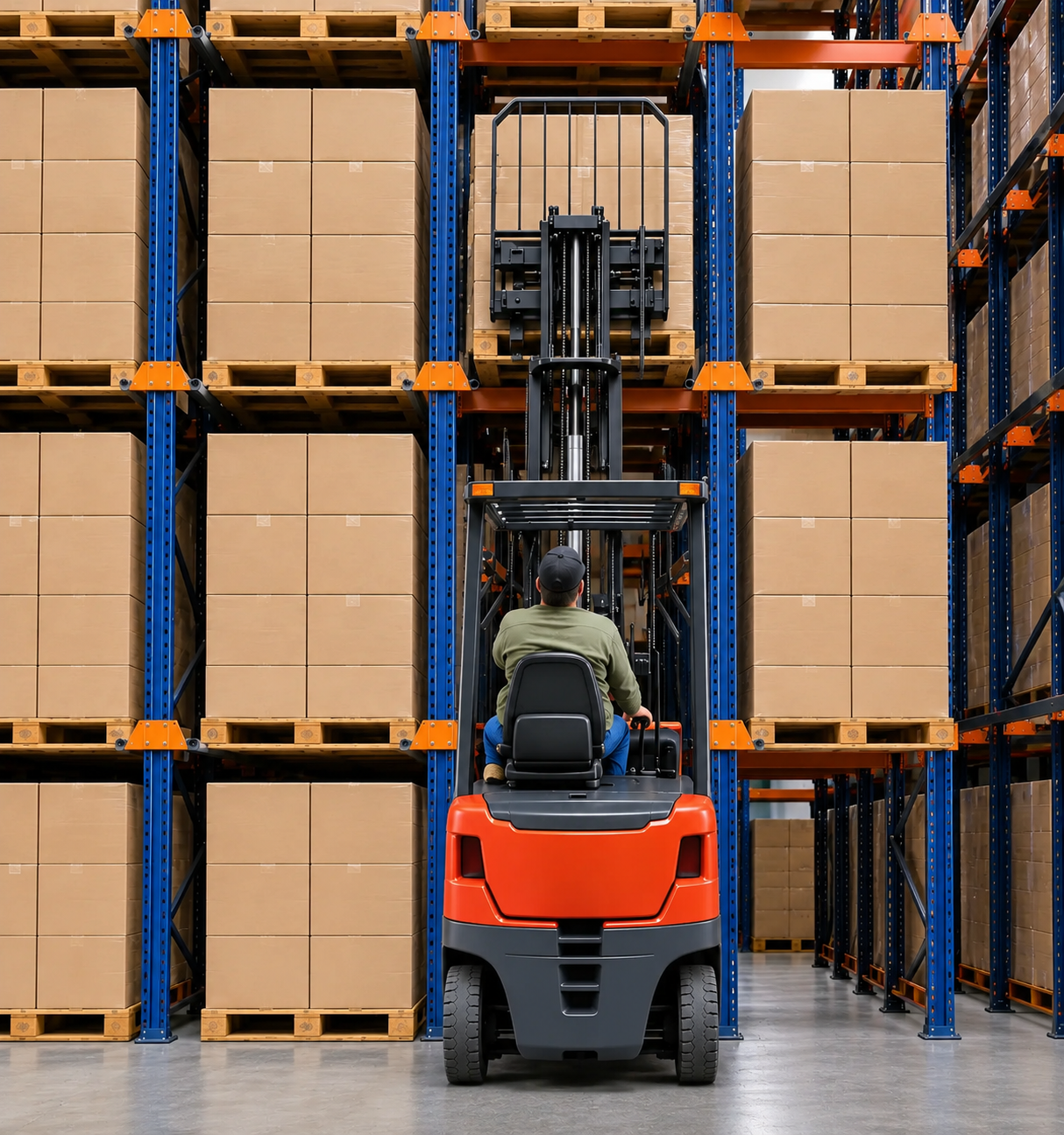
Sometimes wood is the better pallet.
Corrugated pallets are not the right answer for every application. Wood still has real advantages when the pallet needs to tolerate conditions that are difficult to predict or control.
Wood may be the better choice when an application involves frequent repeated reuse, prolonged outdoor exposure, unsupported rack storage, especially abusive handling, or highly variable loads.
Open-rack storage is a good example. When a pallet has to span between rack supports, the pallet itself becomes part of the structure carrying the load. That is an application where wood may be the more practical choice.
Those are legitimate strengths. The goal is not to replace wood everywhere.
The opportunity for corrugated is in applications that do not require those advantages, where companies may otherwise be accepting the added weight, debris, handling, export requirements or sizing limitations of wood simply because it has always been the standard.
The right pallet is the one that fits the application.
Frequently Asked Questions
Wood vs. Corrugated Pallets FAQ
Are corrugated pallets as strong as wood pallets?
There is no simple yes-or-no answer. Corrugated pallets can be designed to carry very heavy loads, but performance depends on the load, pallet design, handling method, support conditions and shipping environment. In many cases, an Ecodek pallet can be designed to meet the required load. The practical limit is often economics: adding enough material to meet an unusually demanding application may make wood the more sensible choice.
Are corrugated pallets less expensive than wood pallets?
Often, yes. Ecodek pallets are frequently less expensive than new wood pallets and can be competitive with high-grade used wood pallets. Cost depends on pallet size, load requirements, materials and order volume. Corrugated can remain cost-effective even for substantial loads, but as the performance requirements become more extreme, the additional material required can eventually make wood the more economical choice.
Can corrugated pallets be reused?
Yes, but reuse depends heavily on the pallet design, application and how it is handled. Some lighter-duty Ecodek pallets are designed primarily for one-way shipping and would not be good candidates for repeated reuse. If reuse is part of the application, the pallet can be designed with that requirement in mind.
Corrugated pallet reuse works best in controlled environments, such as in-house material movement or other applications where the load, handling and storage conditions are predictable. For closed-loop systems involving frequent repeated trips, wood has the advantage.
Can corrugated pallets get wet?
Normal humidity and controlled shipping environments are considered during pallet design, but corrugated pallets are not intended for prolonged outdoor storage or significant direct water exposure. Wood is the better choice when repeated wetting or outdoor exposure is expected.
Can Ecodek pallets be stored in pallet racks?
Not in unsupported rack systems by default. Open-beam racks, drive-in racks, push-back systems and pallet-flow or gravity racks support the pallet only at specific points or move it across rails, carts or rollers. Those applications require separate evaluation, and wood may be the better choice.
Ecodek pallets can be used in rack systems that provide adequate decking or additional support, provided the pallet, rack configuration and load are evaluated and tested together. Some customers also place an Ecodek pallet on an existing wood pallet when rack storage is required.
Can corrugated pallets be handled with forklifts and pallet jacks?
Yes. Ecodek pallets can be designed for forklift entry and pallet-jack access based on the equipment used in the application. Handling requirements are considered as part of the pallet design.
Do corrugated pallets require ISPM-15 treatment for export?
No. Corrugated pallets are paper-based and are not subject to the ISPM-15 treatment and marking requirements that apply to regulated raw wood packaging.
Do corrugated pallets have to be a standard size?
No. There is no single standard Ecodek pallet size. The pallet can be designed around the product, packaging, load pattern and handling requirements, including standard footprints when those make the most sense.
Ready to Make the Switch?
Tell us what you’re shipping and we’ll design a corrugated pallet built around your product, your operation, and the way it moves.